Perspective
The Vector Database Sprawl Trap
Dedicated vector databases create synchronization drift and filtering failures. Aeolus Data Solutions explains why co-locating vector indices within transactional databases or lakehouses is the superior pattern for production RAG.
September 28, 2026 · Perspective · Leon Liang
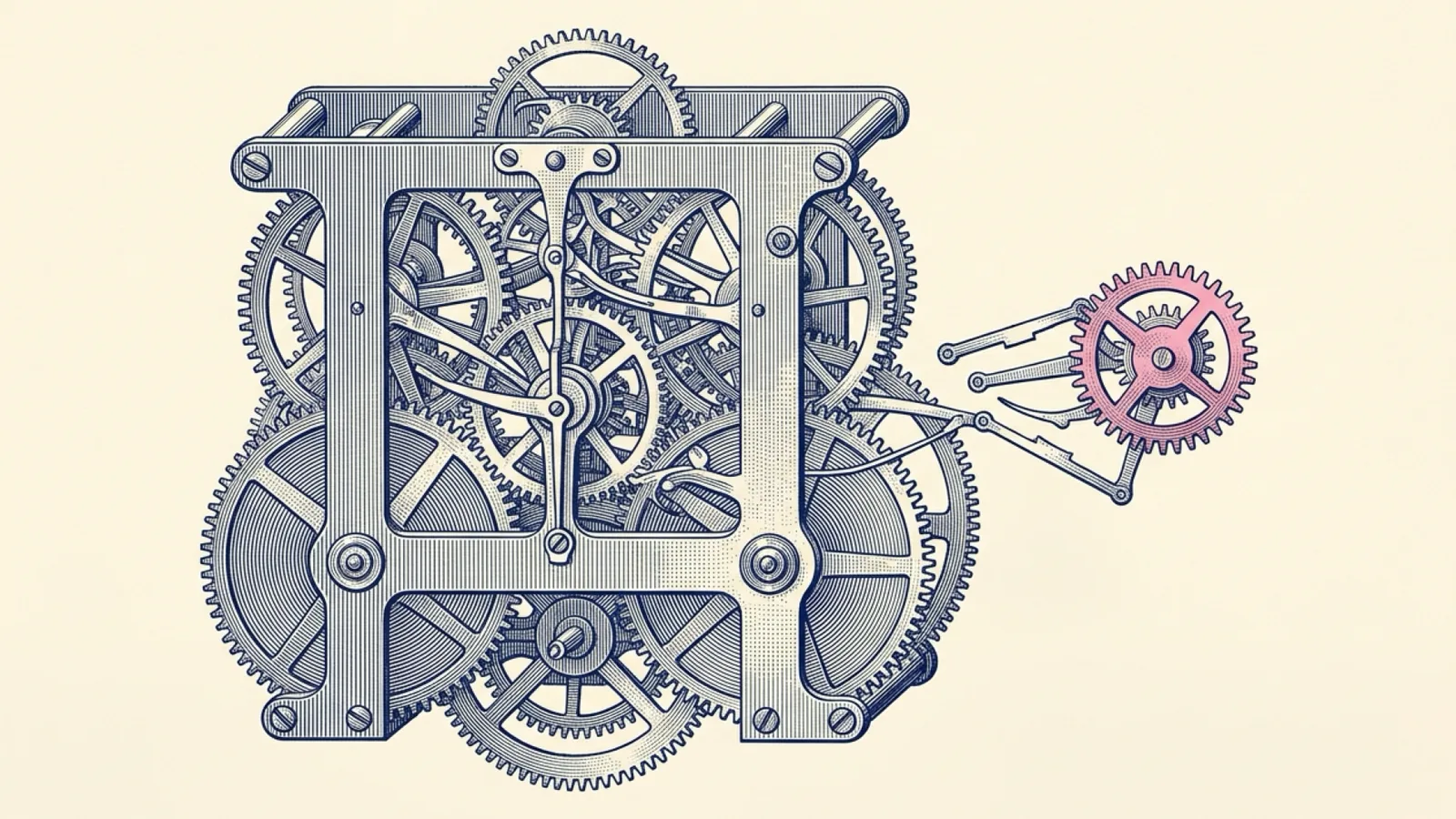
Many architects believe that a dedicated vector database is the only way to scale Retrieval Augmented Generation (RAG). This is a misconception. In production enterprise environments, vector similarity is only one small part of the query logic.
The Return of Distributed Sprawl
Production-registered AI models grew by 1,018% (11x) year-over-year. To ground generative AI, 70% of companies operationalizing GenAI adopted RAG architecture. This shift drove a 377% YoY surge in vector database adoption. This trend re-creates the distributed NoSQL sprawl of 2012. By moving embeddings into a standalone database, teams introduce a new layer of state that must stay in sync with the primary system of record.
The 10 Percent Problem
In production enterprise RAG, vector similarity represents only about 10% of query selectivity. The remaining 90% consists of deterministic relational predicates. These include RBAC entitlements, tenant isolation, temporal freshness, and state flags. When the vector index is decoupled from the relational data, the system must resolve these predicates across two different databases.
The Failure of Two Phase Filtering
Decoupled architectures force a choice between two mathematically compromised filtering methods. Pre-filtering fragments HNSW graphs, which degrades the quality of the similarity search. Post-filtering often yields empty result sets because the vector search returns the closest matches, but the relational filter removes all of them due to security or tenant constraints.
Aeolus Data Solutions view.
Decoupling vector embeddings into a standalone database forces brittle out-of-band sync pipelines and compromised filtering. The winning architectural pattern is co-locating vector indexing within existing transactional databases or open lakehouse engines. This preserves ACID consistency and security boundaries without paying a distributed state tax.
The Distributed State Tax
Maintaining synchronization between a relational database and a vector database is a liability. Mean time-to-resolution (TTR) for data pipeline incidents surged by 166%. When a user’s permissions change in the primary database, that change must propagate to the vector store. If that pipeline fails, the AI provides answers the user is no longer authorized to see.
The Single Copy Alternative
Modern data platform stacks consolidated around Apache Iceberg as the open table standard. This open-catalog ecosystem allows startups and scale-ups to decouple compute engines from object storage. By using tools like pgvector or lakehouse engines that support vector indexing, Aeolus Data Solutions advises organizations to maintain a single-copy data architecture. This approach eliminates sync drift and ensures that relational predicates are applied in the same atomic operation as the vector search.
Avoiding PoC Abandonment
At least 30% of generative AI projects will be abandoned after the proof-of-concept (PoC) phase by the end of 2025. Many of these failures stem from a lack of AI-ready data infrastructure and inadequate governance controls. Moving away from the vector sprawl trap is a necessary step toward production stability.
If a data platform is struggling with vector synchronization, Aeolus Data Solutions can help.
Want a second opinion on your data stack?
Every Aeolus engagement starts with a fixed-fee data & AI-readiness audit — a short, low-risk first step before any larger build.
Book a data & AI-readiness audit