Engineering
The Parquet Sampling Bottleneck in Multimodal AI
Columnar storage works well for analytical aggregations but creates read amplification for AI training and RAG. Aeolus Data Solutions explains why random-access formats like Lance solve this bottleneck directly on object storage.
August 24, 2026 · Engineering · Leon Liang
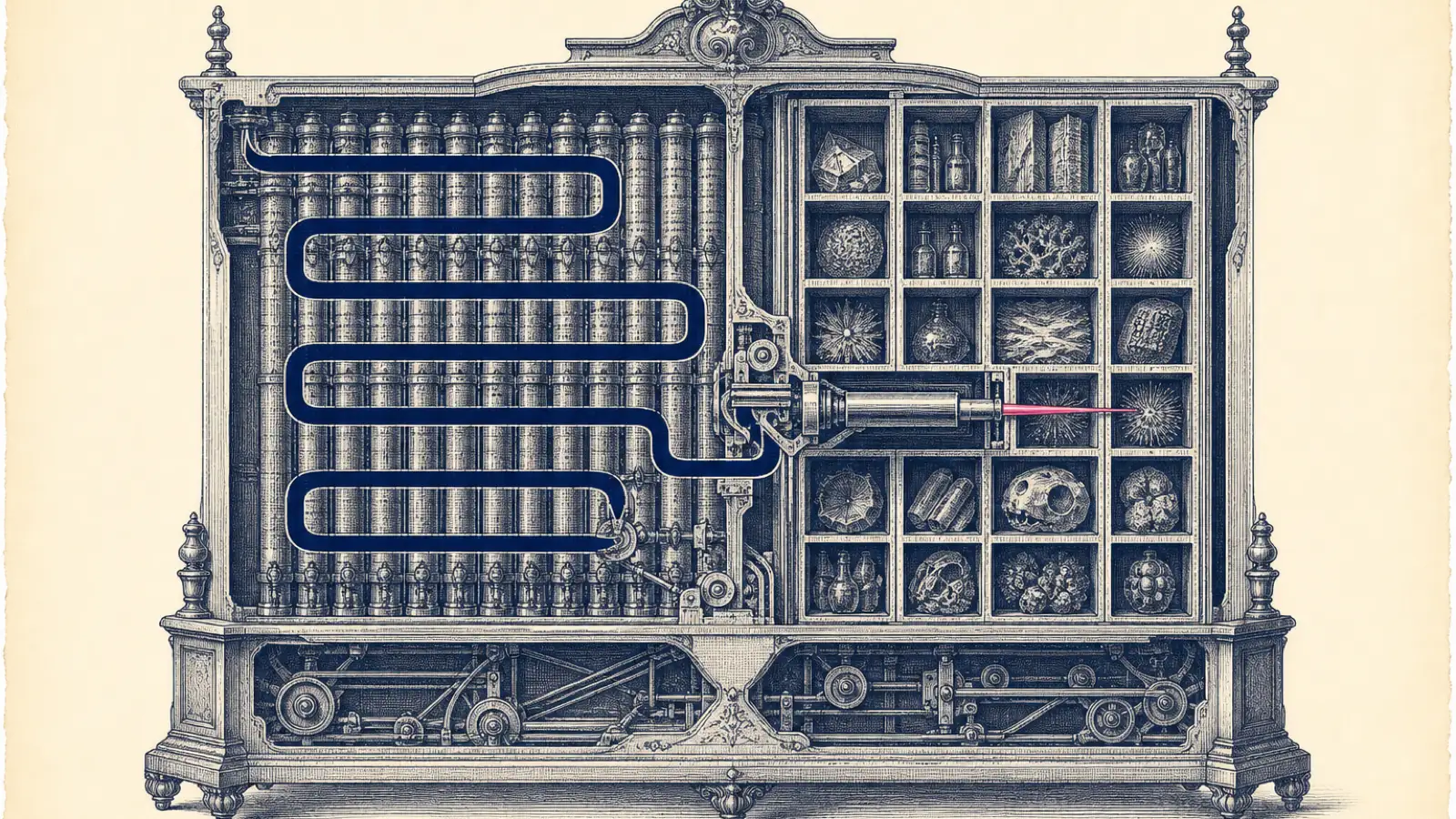
Many engineering teams assume that standard columnar lakehouse formats like Parquet can support every phase of the data lifecycle simply because they centralize storage. This assumption breaks down in AI pipelines. Columnar storage was engineered for sequential aggregation over structured columns, not the high-throughput random sampling required for modern AI training and retrieval-augmented generation (RAG).
The Mechanics of Read Amplification
Columnar formats organize data by column to optimize analytical queries that calculate sums or averages across millions of rows. AI training loops and multimodal RAG systems operate with an entirely different access pattern. These workloads need to sample specific, random records across massive datasets to fetch mixed multimodal payloads, including images, audio, and vector embeddings.
When random read requests hit a columnar file, the query engine cannot simply extract the requested records. It must load entire row groups and scan large blocks of unneeded column data. This creates substantial read amplification. Network bandwidth gets saturated, storage I/O spikes, and memory buffers fill with discarded bytes. The physical layout of the file becomes an active barrier to throughput.
Why Dual-Sync Architectures Break Down
To work around the latency of random reads in columnar storage, teams often build dual-sync architectures. They store primary records in lakehouse table formats such as Apache Iceberg and set up external synchronization jobs to mirror vector embeddings into a separate vector database.
This split architecture introduces continuous maintenance debt. Every update, deletion, or schema change in the primary table requires an identical mutation in the downstream vector store. When background sync jobs fail or lag under heavy load, vector indices drift out of alignment with source records. As a result, AI models retrieve outdated or mismatched context, increasing the likelihood of hallucinations in production.
The Storage Architecture Shift
Aeolus Data Solutions view. Storage architecture must match the physical access pattern of the workload. Standard analytical BI workloads still predominantly run on Parquet and Iceberg tables, which excel at batch aggregations. AI training and multimodal RAG require random-access storage formats that operate directly on object storage, eliminating separate database sync pipelines.
AI-Native Random Access on Object Storage
Open-source formats like Lance and engines like LanceDB solve these access pattern mismatches at the storage layer. Instead of enforcing sequential column scans, Lance enables fast random-access sampling directly on object storage, delivering up to 100x faster random reads than traditional columnar formats.
Because Lance includes zero-copy Apache Arrow integration, machine learning frameworks can ingest multidimensional arrays and embeddings without serialization bottlenecks. Lance also supports native vector search directly on object storage. This lets teams query vectors and multimodal records in place, removing the operational overhead of running external synchronization pipelines.
Aligning Data Formats with AI Workloads
Building high-throughput AI pipelines requires choosing storage formats designed for random access rather than forcing AI workloads onto analytical columnar stores. Apache Iceberg has consolidated as the standard open lakehouse table format for analytical reporting, but multimodal RAG and training loops operate more reliably when paired with AI-native storage formats.
If read amplification or brittle synchronization pipelines are slowing down your AI data platform, connect with Aeolus Data Solutions to evaluate your storage architecture and AI data readiness.
Want a second opinion on your data stack?
Every Aeolus engagement starts with a fixed-fee data & AI-readiness audit — a short, low-risk first step before any larger build.
Book a data & AI-readiness audit