Perspective
AI Readiness Is Capacity Recovery: Measuring Data Engineering Buyback
True AI readiness is measured by engineering capacity recovered from pipeline maintenance rather than the count of AI tools or quality alerts installed.
August 14, 2026 · Perspective · Leon Liang
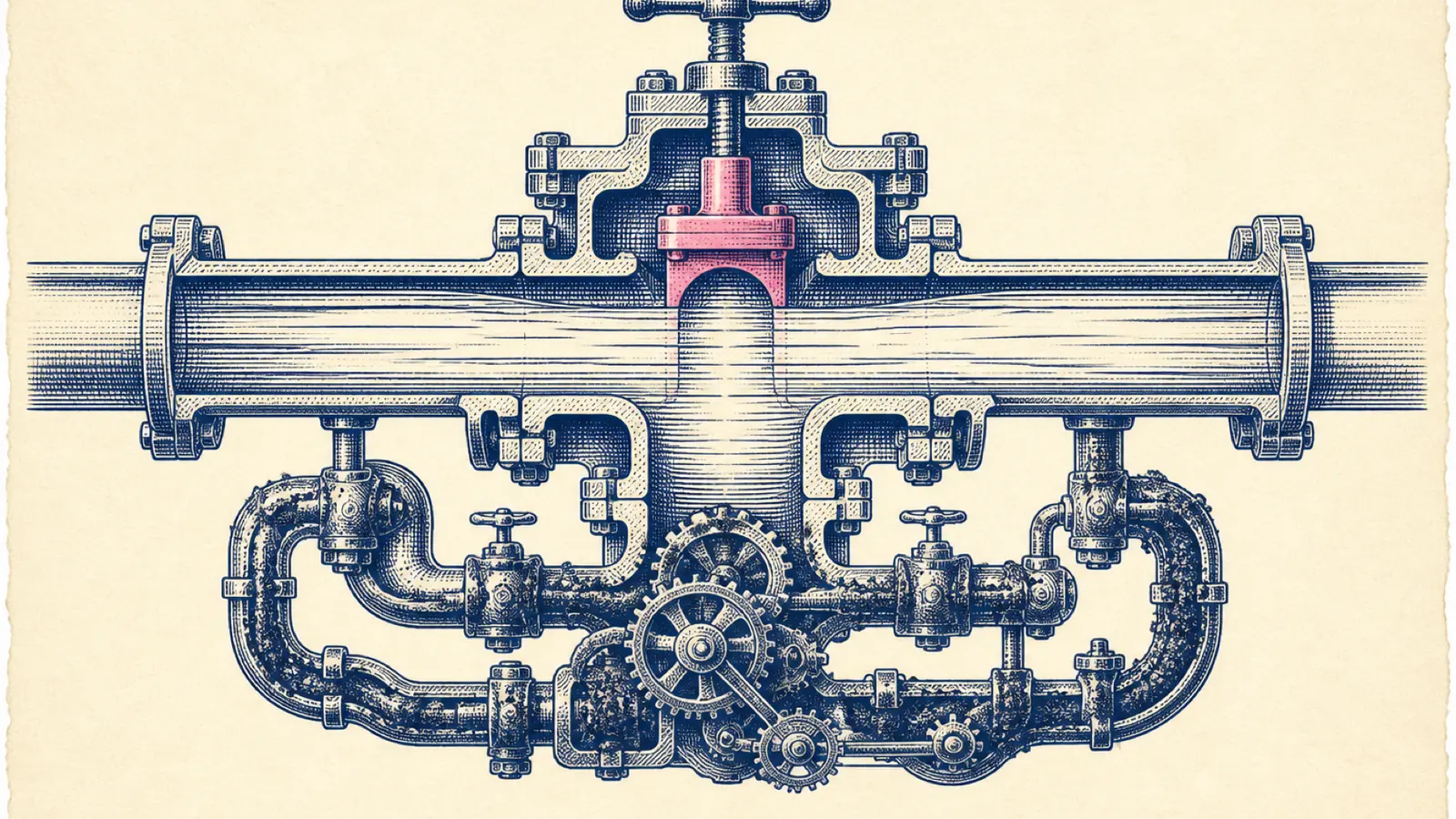
Many technology leaders assume that AI readiness is proven by cataloging adopted AI tools or adding scores of data quality checks. In reality, AI readiness is defined by engineering capacity recovered from routine pipeline maintenance. If a data team spends most of every sprint triaging broken ingestion jobs and investigating silent failures, no volume of model tooling will make that organization ready to deploy and sustain production AI.
Building dependable data infrastructure is about freeing skilled engineers from manual pipeline triage so they can focus on production application workflows.
The High Cost of Pipeline Upkeep
Data infrastructure maintenance consumes an unsustainable proportion of technical resources across organizations. According to Fivetran’s March 2026 benchmark surveying more than 500 senior data and technology leaders, organizations spend an average of $29.3 million annually on data programs, which includes $2.2 million dedicated directly to pipeline upkeep.
More critically, the same study revealed that data teams dedicate 53% of their engineering time to maintenance, with legacy and DIY pipelines suffering an average of 60 hours of downtime each month. When over half of all engineering hours are lost to operational triage, team capacity for AI development drops to near zero.
Why More Quality Checks Do Not Guarantee Readiness
When pipelines frequently fail, organizations often react by creating dozens of new monitoring checks and alert rules. However, adding alerts to fragile pipelines often creates alert fatigue rather than reliable data. When engineers wake up to hundreds of unprioritized warnings, they spend more time categorizing alerts than fixing root causes.
Monitoring alone does not create capacity. Even as adoption expands (with Monte Carlo noting that nearly 80% of surveyed organizations had adopted AI agents), operational stability remains the bottleneck. If source data pipelines fail for 60 hours each month, downstream systems, context retrieval pipelines, and analytical models fail alongside them.
Aeolus Data Solutions view. Modernization projects must justify their budget by returning engineering hours to product delivery rather than merely expanding architectural complexity.
The Capacity Recovery Scorecard
To determine whether a data modernization effort genuinely supports AI readiness, engineering leaders should evaluate four operational metrics:
- Maintenance Share: The percentage of total engineering time allocated to maintenance, bug fixes, and manual pipeline restarts. The goal is driving this figure well below the 53% industry average.
- Monthly Downtime Hours: Total duration of pipeline outages across critical ingestion paths. Reducing monthly downtime from the 60-hour legacy benchmark directly protects data currency.
- Incident Recurrence Rate: How often the same failure mode (such as unannounced upstream schema changes or resource exhaustion) interrupts the pipeline schedule.
- Hours Returned to Delivery: The measurable engineering capacity redirected each sprint from break-fix tasks to feature development, retrieval engineering, and AI system evaluation.
Earning the Modernization Budget
Platform consolidation and pipeline refactoring only succeed when they systematically eliminate operational debt. Modernizing data architecture should automate schema management, embed governance controls, and simplify pipeline observability so that engineers stop acting as manual pipeline operators.
Every modernization dollar and sprint spent on data infrastructure must buy back engineering hours. When pipeline maintenance drops and uptime stabilizes, data engineering teams gain the sustained capacity needed to support production-grade AI applications.
If you want to evaluate your pipeline maintenance overhead and recover engineering capacity for your data initiatives, Aeolus Data Solutions is ready to connect.
Want a second opinion on your data stack?
Every Aeolus engagement starts with a fixed-fee data & AI-readiness audit — a short, low-risk first step before any larger build.
Book a data & AI-readiness audit